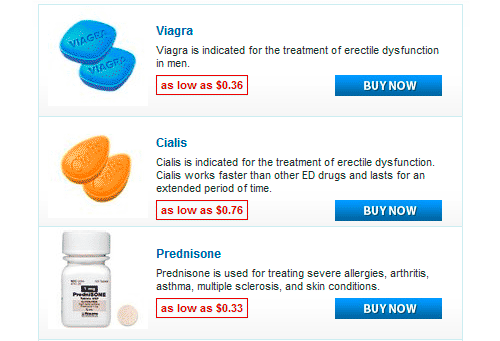

Order now for fast, discreet delivery. We offer competitive prices and a simple online ordering process. Secure checkout ensures your information remains private.
Avoid long queues at pharmacies. Get your prescription medication conveniently delivered directly to your door. Our reliable service guarantees quick processing and shipping.
Your health matters. We prioritize your safety and offer support throughout the process. Contact our customer service team for any questions.
Click here to place your order and experience the ease of online pharmaceutical services. We accept various payment methods for your convenience.
- Amoxicillin without Prescription: A Detailed Plan
- Understanding Amoxicillin’s Uses and Limitations
- Common Uses:
- Limitations:
- Specific Considerations:
- When to Seek Medical Attention:
- Alternative Treatments:
- Identifying When Amoxicillin Might Be Right for You
- Safely Obtaining Amoxicillin: Potential Risks and Precautions
- Understanding Amoxicillin’s Interactions
- Managing Potential Side Effects
- Safe Storage and Disposal
- Obtaining a Valid Prescription
- Addressing Potential Misinformation
- Seeking Professional Guidance
- Alternatives to Prescription Amoxicillin: Exploring Options
- Consulting a Healthcare Professional: Importance of Medical Advice
- Understanding Your Options
- Finding Reliable Information About Amoxicillin
- Understanding Amoxicillin
- Reliable Sources of Information
Amoxicillin without Prescription: A Detailed Plan
First, understand this isn’t medical advice. Always consult a doctor before taking any medication.
Seek telehealth options. Many online platforms offer virtual consultations with licensed physicians who can prescribe Amoxicillin if appropriate.
Check your local regulations. Prescription laws vary greatly by region. Some areas may have stricter rules than others regarding online pharmacies or obtaining antibiotics without a physical visit.
Research reputable online pharmacies. Verify their licensing and accreditation. Read user reviews carefully, focusing on delivery speed and customer service.
Compare pricing and delivery options. Factor in shipping costs and potential customs fees.
Understand the potential risks. Taking Amoxicillin without proper medical supervision can lead to complications, including allergic reactions and antibiotic resistance. Follow dosage instructions precisely.
Document everything. Keep records of your online consultation, prescription, and purchase for your records.
Be aware of scams. Many fraudulent websites sell counterfeit medications. Protect your health and finances by only using verified sources.
Consider alternatives. Over-the-counter medications might address your symptoms. A doctor can help determine the best course of action.
Remember: This plan outlines steps; it doesn’t endorse self-medication. Prioritize your health by consulting a medical professional.
Understanding Amoxicillin’s Uses and Limitations
Amoxicillin treats bacterial infections. It’s effective against a wide range of bacteria, including those causing ear infections, strep throat, pneumonia, and bronchitis. However, it’s crucial to remember it doesn’t work on viruses.
Common Uses:
- Respiratory Infections: Pneumonia, bronchitis, sinusitis.
- Ear Infections (Otitis Media): A frequent application in children.
- Skin Infections: Cellulitis, impetigo.
- Urinary Tract Infections (UTIs): Often a first-line treatment.
- Dental Infections: Abscesses, gum disease (in conjunction with other treatments).
Limitations:
Amoxicillin’s effectiveness hinges on correctly identifying the infection’s cause. Misuse leads to antibiotic resistance. Always consult a doctor for diagnosis before starting treatment.
Specific Considerations:
- Allergies: A penicillin allergy requires an alternative antibiotic. Always disclose allergies to your doctor.
- Side Effects: Common side effects include diarrhea, nausea, and rash. Severe reactions are rare but require immediate medical attention.
- Interactions: Amoxicillin can interact with certain medications. Inform your doctor about all medications you are taking.
- Dosage: Dosage depends on the infection’s severity and the patient’s age and weight. Follow your doctor’s instructions precisely.
- Resistance: Overuse contributes to antibiotic resistance. Complete the entire course of antibiotics, even if symptoms improve before finishing.
When to Seek Medical Attention:
Seek immediate medical help for severe allergic reactions (such as difficulty breathing or swelling), persistent symptoms, or new symptoms developing during treatment.
Alternative Treatments:
If amoxicillin is ineffective or unsuitable, your doctor will explore other antibiotic options.
Identifying When Amoxicillin Might Be Right for You
See your doctor for diagnosis and treatment. Amoxicillin treats bacterial infections, not viral ones. A common cold or the flu won’t respond to it.
Consider amoxicillin if you have symptoms like:
| Symptom | Possible Indication |
|---|---|
| Earache | Otitis media (middle ear infection) |
| Sore throat with difficulty swallowing | Strep throat (streptococcal pharyngitis) |
| Cough with green or yellow phlegm | Bacterial bronchitis or pneumonia (doctor diagnosis needed) |
| Skin infection with redness, swelling, and pus | Cellulitis or abscess |
| Urinary tract infection (UTI) with burning urination and frequent urges | Urinary tract infection (doctor diagnosis needed) |
Amoxicillin is not suitable for all bacterial infections. Your doctor will determine the appropriate antibiotic based on your specific condition and test results.
Allergic reactions, such as hives or breathing difficulties, require immediate medical attention. Inform your doctor about any past allergies before taking amoxicillin.
Discuss potential drug interactions with your doctor or pharmacist, especially if you’re taking birth control pills or anticoagulants.
Always follow your doctor’s prescribed dosage and duration. Don’t stop taking amoxicillin prematurely, even if symptoms improve. This can lead to antibiotic resistance.
Safely Obtaining Amoxicillin: Potential Risks and Precautions
Always consult a doctor before taking Amoxicillin. Self-medicating can be dangerous.
Understanding Amoxicillin’s Interactions
- Amoxicillin interacts with certain medications. Inform your doctor about all medications, supplements, and herbal remedies you are taking.
- Some birth control pills may become less effective while taking Amoxicillin. Discuss alternative birth control methods with your doctor.
- Allergies are a serious concern. Previous allergic reactions to penicillin can indicate a potential Amoxicillin allergy.
Managing Potential Side Effects
- Common side effects include diarrhea, nausea, and vomiting. These usually resolve quickly.
- More serious side effects, such as severe allergic reactions (rash, swelling, difficulty breathing), require immediate medical attention.
- Monitor your body carefully and report any unusual symptoms to your doctor.
Safe Storage and Disposal
- Store Amoxicillin as directed on the label, typically at room temperature away from moisture and heat.
- Never share your Amoxicillin with others. Dosage should be personalized by your doctor.
- Dispose of unused medication properly, following local guidelines to avoid environmental contamination.
Obtaining a Valid Prescription
Seek Amoxicillin only through a legitimate prescription from a licensed healthcare professional. This ensures appropriate dosage and monitoring for potential complications.
Addressing Potential Misinformation
Beware of online sources offering Amoxicillin without a prescription. These sources may provide low-quality or counterfeit medication posing significant health risks.
Seeking Professional Guidance
Your doctor can answer your questions and provide personalized advice for safe and effective Amoxicillin use. Don’t hesitate to seek medical help if needed.
Alternatives to Prescription Amoxicillin: Exploring Options
Consider natural remedies. Honey, for instance, possesses antibacterial properties and can soothe sore throats. A study in the journal Evidence-Based Complementary and Alternative Medicine showed its effectiveness against certain bacteria.
Explore herbal options. Echinacea, known for boosting the immune system, might help your body fight infection. However, consult a doctor before using it, especially if you have underlying health conditions. Research suggests its potential benefits, but more studies are needed.
Over-the-counter pain relievers, like ibuprofen or acetaminophen, can manage fever and pain associated with infections. Always follow package instructions.
Probiotics, beneficial bacteria found in yogurt and supplements, can support gut health, which plays a crucial role in immunity. A balanced gut microbiome can strengthen your body’s natural defenses.
Important Note: These alternatives may not be suitable for all infections. Always consult a doctor for diagnosis and treatment. Self-treating can be dangerous. Seek professional medical advice for serious infections.
Consulting a Healthcare Professional: Importance of Medical Advice
See a doctor before taking any medication. A healthcare professional can accurately diagnose your condition, ensuring you receive the correct treatment. Incorrect medication can worsen symptoms or cause adverse reactions.
Understanding Your Options
Your doctor will discuss various treatment options, including the potential benefits and risks of each. They’ll consider your medical history, allergies, and other medications you’re taking to create a personalized plan. This ensures you receive safe and effective care tailored to your specific needs. They can also provide information on alternative treatments if amoxicillin isn’t suitable.
Discuss potential side effects with your doctor. They can help manage these side effects and advise you on what to do if they occur. Regular check-ups allow for monitoring progress and adjusting the treatment as needed.
Finding Reliable Information About Amoxicillin
Always consult your doctor or pharmacist before using Amoxicillin. They can provide personalized advice based on your medical history and current health conditions. Never self-medicate.
Understanding Amoxicillin
Check the official website of the FDA (Food and Drug Administration) or equivalent agency in your country for detailed information on Amoxicillin, including its uses, side effects, and dosage. The FDA provides evidence-based information, ensuring accuracy and reliability. Look for reputable medical journals and scientific publications. PubMed, a database of biomedical literature, offers a wealth of research articles on antibiotics like Amoxicillin. Review patient information leaflets included with your prescription. This leaflet summarizes key facts, potential adverse reactions, and drug interactions.
Reliable Sources of Information
Seek information from trusted medical websites like the Mayo Clinic or the Cleveland Clinic. These websites offer reliable health information written by medical professionals. Consult reputable medical organizations and health authorities such as the CDC (Centers for Disease Control and Prevention) for broader health advice concerning antibiotic use. Verify information against multiple trusted sources. This cross-referencing helps ensure accuracy and prevents misinformation.